
Creativity and Innovation Services for Leaders and Teams
with Linda Naiman, Founder of Creativity at Work
When Creative Intelligence Is Needed: Overview
I help leaders, teams, and organizations develop creative intelligence — the capacity to navigate uncertainty, strengthen collaboration, and move forward with clarity and humanity.
Common challenges we see
- Leaders overwhelmed by complexity and constant change, making it harder to think clearly and decide well
- Teams working harder but not collaborating effectively across silos
- Innovation initiatives that stall because people default to familiar thinking under pressure
- Change fatigue eroding engagement, trust, and momentum
- Talented people disconnected from their creative capacity when it’s needed most
These challenges aren’t solved by tools alone or by thinking harder within familiar frames. They call for methods that engage how people think and work together in complex conditions.
A Whole-Brain Approach to Creative Intelligence
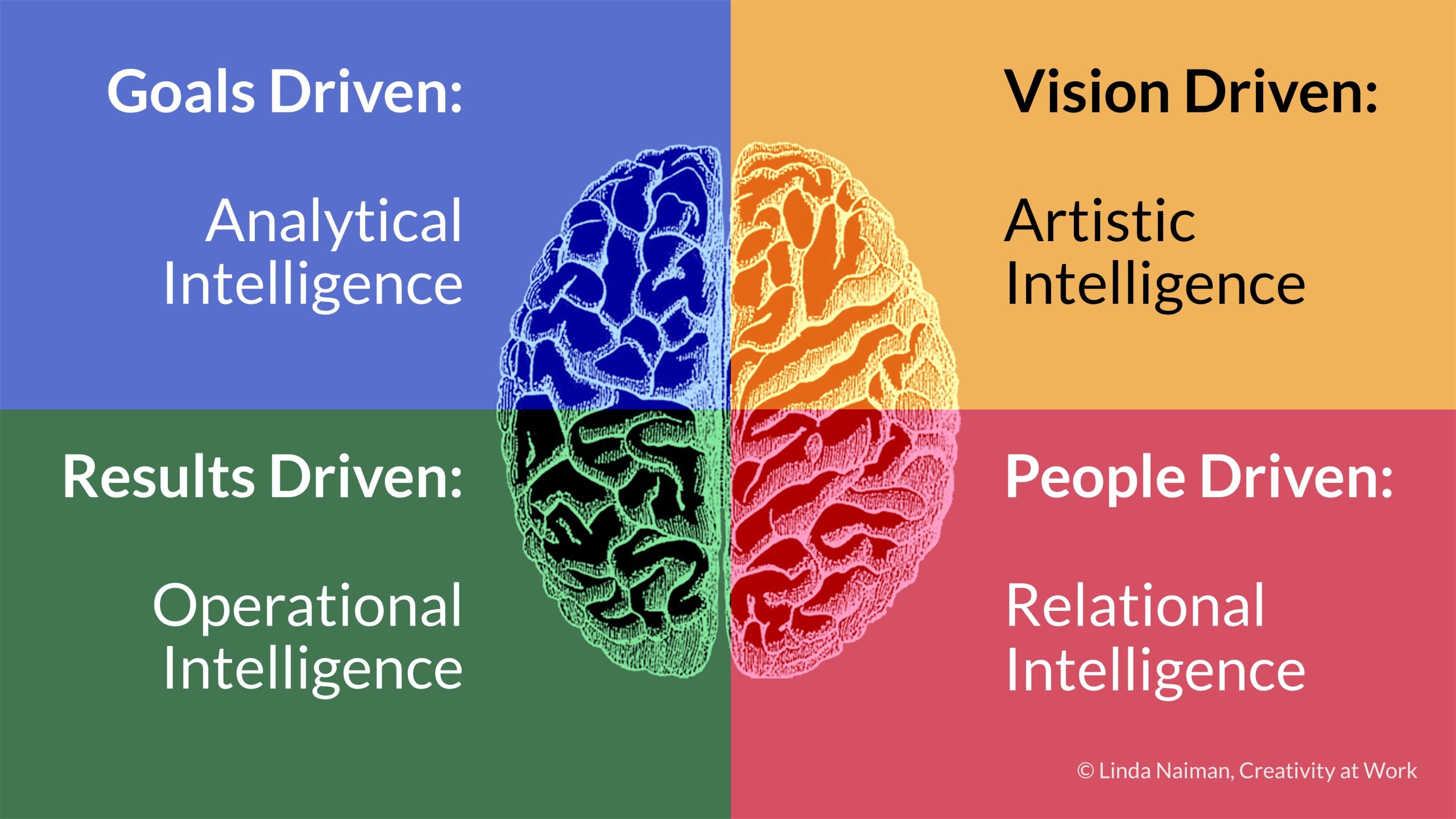
Creative intelligence integrates how people think, sense, relate, and act in complex conditions.
Every engagement is shaped around your goals and the challenges you’re really facing. It’s not traditional training; it’s an experience that transforms how you see, how you work together, and how you lead under pressure.
Signature programs designed to suit your business objectives:
- Arts-Based Learning for Creativity and Innovation in Business
- Whole-Brain approach to Creativity at Work
- Design-Thinking Training, Workshops
- Coaching for Creativity, Innovation, & Reinvention
These offerings can stand alone or be combined into a cohesive learning journey, depending on your needs.
Arts-Based Learning Approaches
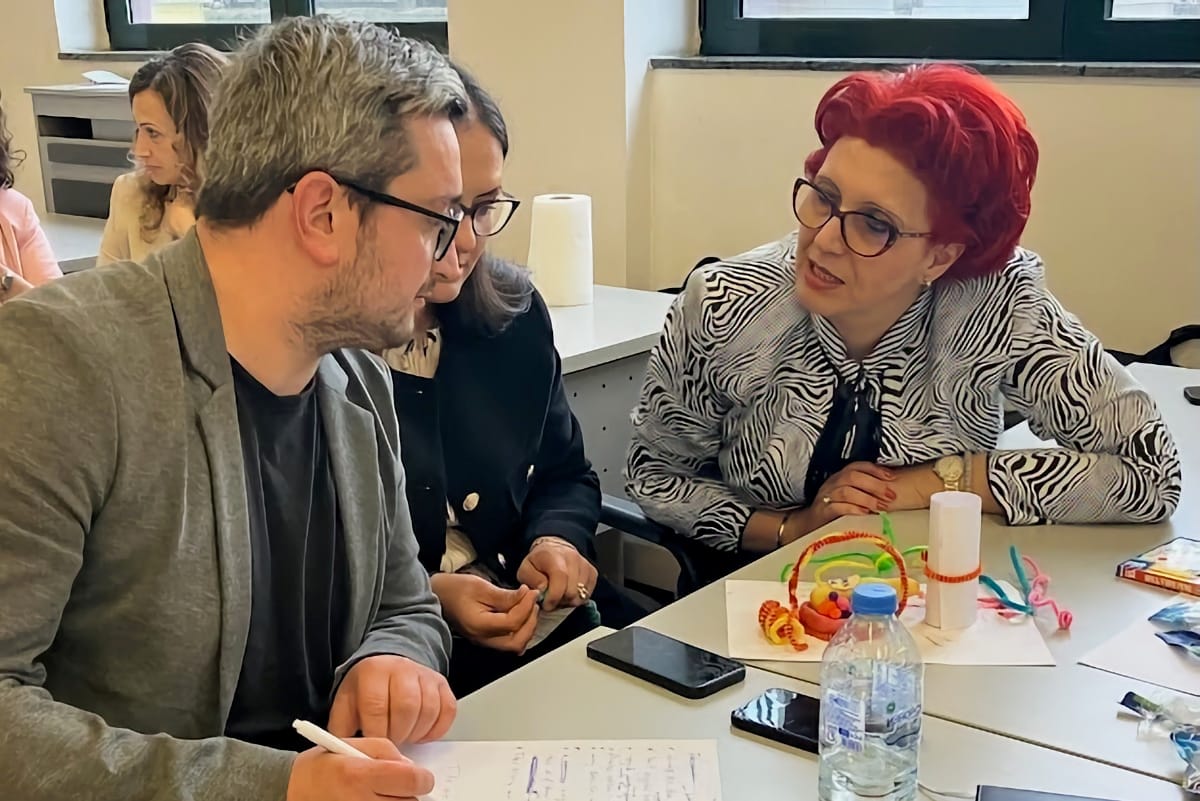
Arts-based practices here aren’t about performance or self-expression. They are tools for thinking and sense-making.
Working with image, metaphor, movement, and simple creative materials helps people slow down, surface assumptions, and explore complexity from new angles. These processes engage analytical, imaginative, relational, and practical ways of knowing — making it easier to work with ambiguity, build trust, and turn insight into action.
Arts-based learning creates conditions where new perspectives emerge naturally and conversations deepen beyond what words alone can produce.
Leadership & Team Development
Leadership today demands more than expertise. It calls for presence, discernment, and the ability to create the conditions for collaboration and meaningful work — especially when the path forward isn’t obvious.
In these engagements, leaders and teams develop creative intelligence through whole-brain learning experiences that combine reflection, dialogue, and arts-based practice. Sessions may take the form of workshops, team intensives, or offsites designed to step back, realign, and reimagine how people work together.
Whole-Brain Creativity & Innovation
Familiar thinking can keep organizations stuck.
Whole-brain creativity processes open new ways of seeing, challenge assumptions, and support the movement from insight into action. By integrating analytical reasoning with imagination, emotional awareness, and relational intelligence, teams build the capacity to respond thoughtfully rather than reactively.
This work supports innovation that is both imaginative and grounded in real-world constraints.
Coaching for Leaders, Teams & Professionals
Coaching provides a confidential space to think, reflect, and experiment.
People come to this work for different reasons. Sometimes creativity feels blocked or depleted. At other times, individuals are navigating change, stepping into new leadership roles, or entering a new chapter in their professional lives.
These conversations strengthen clarity, confidence, and creative momentum, helping people reconnect with their capacity to think clearly and act with intention.
How Engagements Work
- Engagements are custom designed. Some are single sessions; others unfold over longer partnerships.
- When it serves your goals, I collaborate with trusted colleagues to bring additional perspectives or expertise. The form is flexible. The focus is always clarity, alignment, and forward movement.
- Sessions may take the form of training, team intensives, or offsites designed to step back, reflect, and realign around what matters most.
Why invest in creativity?
Businesses that invest in creativity are 88% more likely to foster innovation, enhance customer satisfaction, and achieve financial success. Additionally, they enjoy higher employee engagement and productivity (Adobe 2016).
Ready to explore how this work could support you or your organization?
Selected Clients
Testimonials
“Innovation is the key to the company’s future success and the global race for innovation is getting intense. The innovation workshop is really inspiring and engaging as it guides us through different skills and tool kits to explore the potential power of our minds and shows us how to lead the product innovation to business success.”
— Dr. Knut Zoellner, Vice President, Technology, Innovation BASF Polyurethane Specialties (China)
Case Studies